Waste Reduction
Composting at Home: Tips and Tricks
This guide offers practical tips and tricks for successful home composting, including selecting the right composting method, materials to compost, and troubleshooting common issues, all while promoting a sustainable gardening practice.
Advertisement
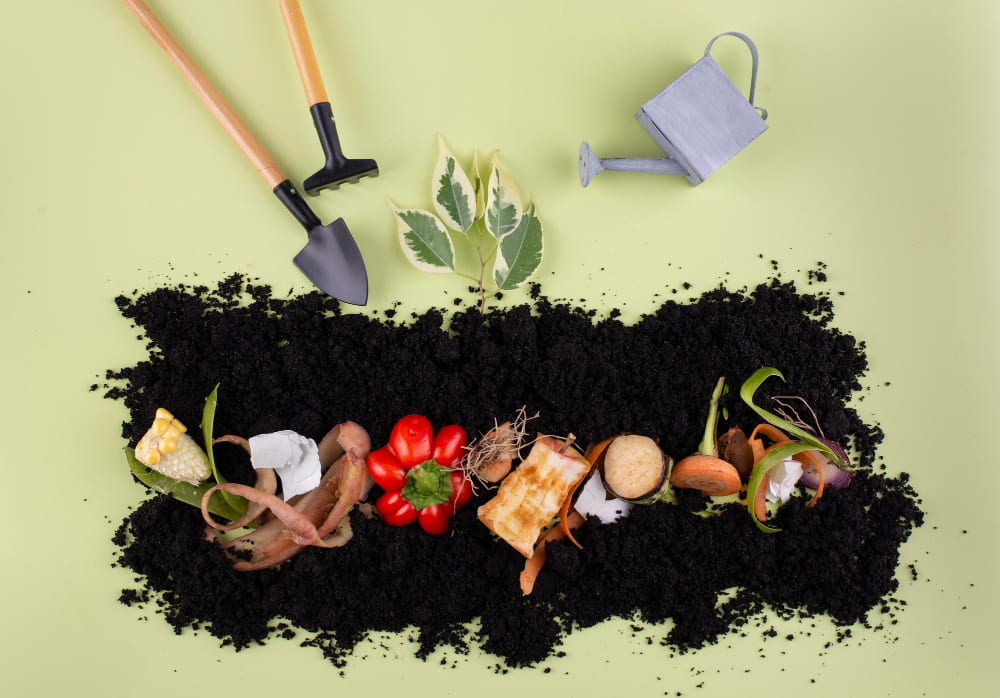
Composting at home is a simple yet effective way to reduce waste and create nutrient-rich soil for gardening. By turning kitchen scraps and yard waste into compost, individuals can reduce their environmental footprint while improving their garden’s health.
This article will guide you through the process of home composting, providing valuable composting tips and tricks to ensure success. Whether you’re a seasoned gardener or just starting out, you’ll learn how to turn waste into a valuable resource.
By following the advice outlined in this article, readers will be able to successfully implement home composting and enjoy the benefits of a more sustainable gardening practice.
What is Composting and Why It Matters?
At its core, composting is the process of breaking down organic materials into a valuable resource for gardeners. This natural process involves microorganisms like bacteria and fungi that decompose organic matter into a nutrient-rich soil amendment.
Definition of Composting
Composting is defined as the biological process that decomposes organic materials, such as food scraps, leaves, and grass clippings, into a humus-like substance. This process is facilitated by microorganisms that thrive in the right conditions of moisture, oxygen, and temperature.
The result of composting is a nutrient-rich compost that can improve soil structure, enhance soil fertility, and support healthy plant growth. By understanding what composting entails, individuals can better appreciate its benefits for their gardens and the environment.
Environmental Benefits
Composting offers numerous environmental benefits, including reducing the amount of waste sent to landfills. Organic waste in landfills decomposes without oxygen, producing methane, a potent greenhouse gas. By composting, individuals can significantly reduce their waste output and mitigate climate change.
- Reduces landfill waste
- Decreases greenhouse gas emissions
- Conserves water through improved soil structure
Additionally, composting helps in maintaining soil health, which is crucial for sustainable gardening practices. Healthy soil supports biodiversity, improves soil’s water-holding capacity, and reduces the need for synthetic fertilizers.
Economic Advantages
Besides its environmental benefits, composting also offers economic advantages. By creating their own compost, gardeners can reduce their reliance on commercial fertilizers and soil conditioners, thereby saving money.
- Reduces the need for expensive fertilizers
- Improves soil health, potentially increasing crop yields
- Enhances the aesthetic value of gardens and landscapes
Furthermore, composting can be seen as a cost-effective way to manage organic waste, turning what would be considered waste into a valuable resource.
Getting Started with Home Composting
Composting at home is not only eco-friendly but also a great way to create a sustainable gardening practice. By turning kitchen scraps and yard waste into nutrient-rich compost, homeowners can improve soil health, reduce waste, and support healthy plant growth.
Choosing the Right Composting Method
There are several composting methods to choose from, depending on available space, the amount of waste, and personal preference. Outdoor composting bins are ideal for those with yard space, while indoor composting containers are perfect for apartment dwellers or those with limited outdoor space.
- Outdoor composting bins: These can be made of plastic, metal, or wood and come in various sizes.
- Indoor composting containers: These are compact and often designed with odor control features.
- Bokashi bins: A type of indoor composting that uses microorganisms to break down organic matter.
Finding the Perfect Location
The location of your compost pile or bin is crucial for its success. It should be easily accessible, well-ventilated, and out of direct sunlight. For outdoor composting, choose a spot with good drainage to prevent waterlogging.
Key considerations for the location include:
- Proximity to a water source.
- Avoidance of direct sunlight and strong winds.
- Accessibility for regular maintenance.
Essential Composting Tools
While composting can be done with minimal equipment, having the right tools can make the process more efficient. Essential composting tools include a compost turner or pitchfork for aerating the compost, a compost aerator for improving airflow, and a compost thermometer for monitoring temperature.
- Compost turner or pitchfork: For turning and aerating the compost.
- Compost aerator: A tool designed to improve airflow within the compost pile.
- Compost thermometer: Essential for monitoring the temperature of the compost pile.
What Materials Can Be Composted?
Understanding what materials can be composted is crucial for creating a thriving compost pile. Composting is a process that involves breaking down organic materials into a nutrient-rich soil amendment, and the right mix of materials is key to its success.
Green Materials: What to Include
Green materials are rich in nitrogen and are essential for a healthy compost pile. They include:
- Food scraps, such as fruit and vegetable peels
- Grass clippings
- Manure from herbivores
- Fresh leaves
- Coffee grounds and tea bags
These materials are typically wet and rich in nitrogen, making them ideal for adding to your compost pile. However, it’s essential to balance them with brown materials to maintain the right carbon-to-nitrogen ratio.
Brown Materials: The Right Mix
Brown materials are rich in carbon and provide the energy needed for microorganisms to break down the compost. Examples of brown materials include:
- Dried leaves
- Straw
- Shredded newspaper
- Cardboard
- Sawdust
Balancing green and brown materials is crucial for maintaining a healthy compost pile. A general rule of thumb is to aim for a mix of 2/3 brown materials and 1/3 green materials.
Items to Avoid in Composting
Not everything can be composted. It’s essential to avoid adding the following items to your compost pile:
- Meat, bones, and dairy products, as they attract pests and create odors
- Pet waste, which can contain pathogens
- Weeds with seeds, as they can propagate in the compost
- Chemically treated materials, such as pesticide-treated plants
- Coal or charcoal ash, which can contain heavy metals
By avoiding these items, you can ensure that your compost is safe and effective for use in your garden.
Different Composting Techniques
Composting techniques have diversified to suit different environments and preferences, allowing individuals to choose the method that best fits their lifestyle and composting goals.
Traditional Composting
Traditional composting is one of the most common methods used for decomposing organic waste. It involves creating a compost pile or using a compost bin to break down materials over time.
Key benefits of traditional composting include:
- Cost-effective, as it often utilizes readily available materials
- Can handle large volumes of organic waste
- Produces high-quality compost
However, it requires regular maintenance, including turning the compost pile to ensure aeration and speed up the decomposition process.
Bokashi Composting
Bokashi composting is a fermentation-based process that utilizes microorganisms to break down organic matter. This method is particularly useful for indoor composting and can handle a wider variety of materials, including small bones and meat.
Advantages of bokashi composting:
- Reduces odors through the use of effective microorganisms
- Can compost a broader range of materials
- Is relatively quick, taking a few weeks to complete
Bokashi composting requires a bokashi bin and the addition of bokashi bran to facilitate the fermentation process.
Vermicomposting
Vermicomposting, or worm composting, involves using red wiggler worms to break down organic waste. This method is ideal for small-scale composting and can be done indoors.
Benefits of vermicomposting include:
- Produces a high-quality compost tea
- Is relatively low maintenance
- Can be done in small spaces
Vermicomposting requires a worm bin and maintaining the right conditions for the worms, including appropriate moisture and temperature levels.
By understanding the different composting techniques available, individuals can make informed decisions about which method to use based on their specific needs, available space, and the type of waste they want to compost.
Maintaining Your Compost Pile
To ensure a thriving compost ecosystem, regular maintenance is essential. A well-maintained compost pile is crucial for breaking down organic materials efficiently and effectively.
Monitoring Moisture Levels
One of the critical factors in compost pile maintenance is monitoring moisture levels. The compost pile should be kept moist, like a damp sponge. Excessive dryness can slow down the composting process, while too much moisture can lead to anaerobic conditions and unpleasant odors.
Tips for maintaining optimal moisture levels:
- Check the compost pile regularly by inserting a finger or a tool to gauge the moisture.
- Add water as needed to maintain the right consistency.
- Cover the compost pile during heavy rainfall to prevent it from getting too wet.
Aerating the Compost
Aerating the compost is another vital aspect of maintaining a healthy compost pile. Turning the compost regularly helps to:
- Introduce oxygen, which supports the microorganisms responsible for decomposition.
- Prevent matting and ensure that all materials decompose evenly.
- Reduce the risk of anaerobic conditions and unpleasant odors.
Aerating the compost also helps to speed up the composting process. It’s recommended to turn the compost pile every few weeks, depending on the size of the pile and the composting method.
Understanding Temperature Control
Temperature control is a critical component of compost pile maintenance. The compost pile can get hot, with temperatures reaching up to 160°F (71°C). This heat is a result of the microorganisms breaking down the organic materials.
Key aspects of temperature control:
- Monitor the temperature regularly to ensure it stays within the optimal range.
- Turn the compost pile if the temperature gets too high to prevent killing off beneficial microorganisms.
- Be aware that a drop in temperature can indicate that the composting process is slowing down.
By monitoring moisture levels, aerating the compost, and understanding temperature control, you can maintain a healthy compost pile that produces nutrient-rich compost for your garden.
Troubleshooting Common Composting Issues
Effective composting requires not just the right mix of materials, but also the ability to troubleshoot common problems that arise. Whether you’re a seasoned composter or just starting out, issues like bad odors, pests, and slow decomposition can be frustrating. Fortunately, most composting problems have straightforward solutions.
Dealing with Bad Odors
Bad odors are one of the most common complaints among composters. These odors are usually caused by too much moisture, inadequate aeration, or an imbalance in the carbon-to-nitrogen ratio.
- Check the moisture level: The compost pile should be as moist as a damp sponge. Excess water can lead to anaerobic conditions, causing bad odors.
- Aerate the pile: Regular turning helps to introduce oxygen, reducing the likelihood of anaerobic conditions.
- Balance the carbon-to-nitrogen ratio: Ensure you’re adding the right mix of “green” (nitrogen-rich) and “brown” (carbon-rich) materials.
Managing Pests and Rodents
Pests and rodents can be attracted to compost piles, especially if they contain food waste or other attractive materials.
- Secure your compost bin: Use a rodent-proof compost bin or ensure your existing bin is tightly sealed.
- Avoid adding attractants: Refrain from adding meat, dairy, or oily foods to your compost.
- Bury food waste: If you do compost food waste, bury it deep within the pile to deter pests.
Fixing Slow Decomposition
Slow decomposition can be due to several factors, including inadequate moisture, insufficient aeration, or an improper mix of materials.
- Check and adjust the moisture: Ensure the compost is not too dry or too wet.
- Turn the pile: Regular aeration can significantly speed up decomposition.
- Adjust the material mix: Ensure a good balance between green and brown materials.
By addressing these common issues, composters can maintain a healthy, productive composting process. Regular monitoring and adjustments can prevent many of these problems from arising in the first place.
The Role of Microorganisms in Composting
Microorganisms, such as bacteria and fungi, are the unsung heroes of composting, converting waste into a nutrient-rich soil amendment. These tiny organisms are responsible for breaking down organic materials into a valuable resource that can help plants thrive.
The composting process relies on a diverse community of microorganisms working together to decompose organic waste. By understanding the role of these microorganisms, composters can create an optimal environment for them to flourish.
Importance of Bacteria and Fungi
Bacteria are the primary decomposers in the composting process, breaking down simple organic compounds like carbohydrates and proteins. Fungi, on the other hand, are more efficient at decomposing complex materials like lignin and cellulose, found in woody plant material.
Together, bacteria and fungi work in harmony to break down a wide range of organic materials. A healthy balance of these microorganisms is crucial for efficient composting and for producing a high-quality compost product.
How to Encourage Microbial Activity
To encourage microbial activity, composters should ensure the compost pile has the right balance of “green” and “brown” materials. Green materials, such as food scraps and grass clippings, are high in nitrogen and provide energy for microorganisms. Brown materials, like dried leaves and straw, are high in carbon and provide a food source for fungi.
- Maintain adequate moisture levels, as microorganisms thrive in a moist environment.
- Aerate the compost pile regularly to provide oxygen for microorganisms.
- Monitor temperature, as high temperatures can kill off beneficial microorganisms.
By following these tips and understanding the importance of microorganisms in composting, individuals can create a thriving compost ecosystem that produces a valuable resource for their gardens.
Using Finished Compost
Using finished compost can significantly enhance your garden’s health and productivity. Finished compost is teeming with beneficial microorganisms that help plants grow strong and healthy.
Identifying When Compost is Ready
Knowing when your compost is ready is crucial for maximizing its benefits. Compost is ready when it has an earthy aroma, is dark in color, and crumbles easily. Avoid using compost that is still recognizable as its original materials or has a strong, unpleasant odor.
- Check for a uniform texture and dark color.
- Ensure it doesn’t have a strong, unpleasant smell.
- Verify that original materials are unrecognizable.
Best Uses for Compost in the Garden
Finished compost can be used in various ways to improve your garden. It can be mixed into soil to enhance its structure and fertility, used as a mulch to retain moisture, or added to potting mixes for container gardens.
- Mix compost into garden beds to improve soil health.
- Use it as a nutrient-rich mulch around plants.
- Add compost to potting mixes for healthier container plants.
Storing and Managing Extra Compost
If you’ve produced more compost than you can use immediately, it’s essential to store it properly. Compost should be kept in a dry, covered area to prevent it from becoming too wet or attracting pests.
- Store compost in a covered bin or pile.
- Keep it dry to maintain its quality.
- Use it within a few months for the best results.
Composting in Small Spaces
Composting in small spaces requires creativity and the right techniques. For individuals living in apartments or homes with limited outdoor space, finding ways to compost can be challenging. However, there are several alternatives that can help.
Indoor Composting Solutions
Indoor composting is a viable option for those with limited outdoor space. It involves using containers or bins specifically designed for composting indoors. These indoor composting solutions are usually compact, odor-controlled, and can be placed in a kitchen or basement.
- Use a countertop compost bin for easy access.
- Consider a worm composter for vermicomposting.
- Opt for an indoor composting system with odor control.
Using Compost Bins and Tumblers
For those with a bit more outdoor space, compost bins and tumblers are excellent options. Compost bins come in various sizes and can be made of plastic, metal, or wood. Tumblers are designed to make turning the compost easier, speeding up the decomposition process.
- Choose a compost bin that fits your available space.
- Consider a tumbler for easier compost turning.
- Look for bins with good aeration and moisture control.
Community Composting Options
For individuals with no space at all, community composting is a great alternative. Many communities have shared composting facilities where residents can deposit their organic waste. Community composting not only reduces waste but also fosters a sense of community.
- Find a local community composting program.
- Participate in community gardens that use compost.
- Advocate for community composting initiatives in your area.
By exploring these options, individuals living in small spaces can contribute to a more sustainable environment through composting.
Resources for Home Composting Enthusiasts
For those looking to dive deeper into the world of home composting, numerous resources are available to help expand your knowledge and skills. Whether you’re a beginner or an experienced composter, these resources can provide valuable insights and practical tips.
Recommended Reading
Several excellent books and guides are available for home composting enthusiasts. Titles such as “The Rodale Book of Composting” offer comprehensive guides to getting started and maintaining a successful composting practice. These resources cover a range of topics, from basic composting techniques to more advanced methods like vermicomposting.
Connecting with Fellow Composters
Online communities and forums provide a great way to connect with other composting enthusiasts, ask questions, and share experiences. Websites and social media groups dedicated to composting can be a rich source of information and support. Local workshops and classes are another excellent way to learn from experts and gain hands-on experience with composting techniques.
By leveraging these composting resources, including composting books, online communities, and local workshops, you can continue to improve your composting practices and contribute to a more sustainable gardening routine.
Trending Topics

How to Maintain Your Home Sustainably
Learn simple ways to maintain your home sustainably. From energy-efficient appliances to eco-friendly cleaning practices, discover how small changes can have a big impact on the environment.
Keep Reading
Tips to Boost Your Car’s Fuel Efficiency
Learn how to boost your car's fuel efficiency with these simple tips. Improve your vehicle's performance, save money, and reduce your carbon footprint.
Keep ReadingYou may also like

How to Avoid Waste in Your Local Business
Find practical ways for local businesses to reduce waste, optimize resources, and enhance sustainability. Improve profitability while contributing to a healthier environment.
Keep Reading
Eco-Friendly Home Decor: Transform Your Space with Sustainable Materials
Transform your home with eco-friendly decor. Use sustainable materials, recycled furniture, and green solutions to create a beautiful, healthy, and environmentally responsible living space.
Keep Reading
How to Ensure Eco-Certified Products
Ensure your purchases are environmentally friendly by learning how to identify eco-certified products. Understand certifications, brand transparency, and how to make sustainable choices.
Keep Reading