Energy and Sustainable Technology
How to Choose Energy-Efficient Appliances
Discover how to choose the most energy-efficient appliances for your home. This guide helps you understand energy efficiency ratings, compare features, and select the best appliances to reduce energy consumption, save money, and promote sustainability.
Advertisement
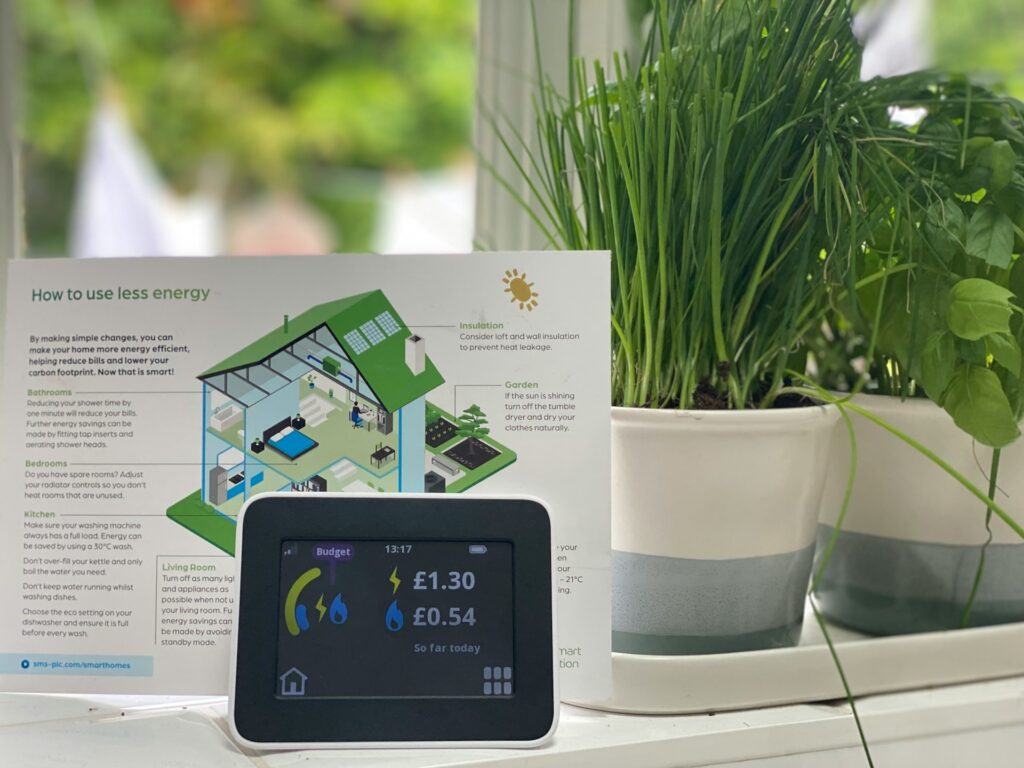
Choosing the right appliances for your home can be a daunting task, especially when considering energy efficiency. With numerous options available, it’s essential to understand what makes an appliance energy-efficient and how it can benefit your household.
Selecting energy-efficient appliances is a crucial step towards creating an eco-friendly home and promoting sustainable living. By doing so, homeowners can significantly reduce their environmental footprint and save on energy costs.
This guide will walk you through the process of selecting the most energy-efficient appliances, providing you with the knowledge to make informed decisions and create a more sustainable living space.
Understanding Energy Efficiency Ratings
To make an informed decision, it’s essential to grasp the concept of energy efficiency ratings. Energy efficiency ratings are crucial in determining the energy consumption of an appliance, helping consumers choose products that save energy and reduce utility bills.
What is an Energy Efficiency Ratio?
The Energy Efficiency Ratio (EER) is a measure used to calculate the energy efficiency of appliances, particularly air conditioners and refrigerators. It is calculated by dividing the cooling capacity of the appliance (in BTUs) by its power consumption (in watts). A higher EER rating indicates that the appliance is more energy-efficient.
Key aspects of EER include:
- Cooling capacity measurement
- Power consumption in watts
- Higher EER values signify better efficiency
Common Ratings Explained
Apart from EER, another significant rating is the Seasonal Energy Efficiency Ratio (SEER). SEER measures the cooling efficiency of air conditioners and heat pumps over an entire season, providing a more comprehensive picture of energy efficiency. Understanding these ratings helps consumers compare different appliances and make informed choices.
Common energy efficiency ratings include:
- EER (Energy Efficiency Ratio)
- SEER (Seasonal Energy Efficiency Ratio)
- AFUE (Annual Fuel Utilization Efficiency) for heating systems
The Importance of Energy Star Labels
The Energy Star label is a certification given to appliances that meet specific energy efficiency standards set by the U.S. Environmental Protection Agency. This label signifies that the appliance is energy-efficient and can help consumers save money on their utility bills. Energy Star certified appliances use less energy, reduce greenhouse gas emissions, and are designed to provide the same level of performance as their less efficient counterparts.
Benefits of Energy Star labeled appliances:
- Reduced energy consumption
- Lower utility bills
- Environmentally friendly
Benefits of Energy-Efficient Appliances
Energy-efficient appliances offer a multitude of benefits that can significantly impact your household’s finances and environmental footprint. These appliances are designed to consume less energy while maintaining performance, leading to various advantages.
Cost Savings Over Time
One of the most significant benefits of energy-efficient appliances is the potential for cost savings over time. By consuming less energy, these appliances help reduce your utility bills, allowing you to allocate the saved funds to other essential expenses. For instance, replacing traditional incandescent bulbs with LED bulbs can save up to $75 per year on electricity costs.
Environmental Impact
Energy-efficient appliances also have a positive environmental impact by reducing greenhouse gas emissions and minimizing the strain on natural resources. According to the U.S. Environmental Protection Agency (EPA), energy-efficient appliances have helped reduce carbon emissions by millions of metric tons. By choosing energy-efficient appliances, you contribute to a more sustainable future.
Increased Home Value
Installing energy-efficient appliances can increase your home’s value, making it more attractive to potential buyers if you decide to sell in the future. Homebuyers are increasingly looking for homes with energy-efficient features, as they understand the long-term benefits of reduced utility bills and environmental sustainability.
In summary, the benefits of energy-efficient appliances are multifaceted, including cost savings, environmental sustainability, and increased home value. By investing in these appliances, homeowners can enjoy a more comfortable, eco-friendly, and cost-effective living experience.
- Reduced utility bills through energy-efficient consumption
- Positive environmental impact through reduced greenhouse gas emissions
- Increased home value due to energy-efficient features
Assessing Your Household Needs
The journey to energy efficiency begins with assessing your household’s needs and current energy consumption. This initial step is crucial in determining the right appliances for your home.
Evaluating Current Energy Usage
Start by examining your current energy usage patterns. Review your utility bills to understand your energy consumption habits. Identify the appliances that consume the most energy, such as refrigerators, air conditioners, and washing machines.
To get a clearer picture, you can:
- Use a smart meter or energy monitor to track your energy usage in real-time.
- Conduct an energy audit of your home to pinpoint areas of inefficiency.
- Check the energy labels on your appliances to understand their energy consumption.
Identifying Key Appliances for Upgrade
Once you have evaluated your energy usage, identify the appliances that are due for an upgrade. Prioritize appliances that are:
- Old or outdated.
- Consuming high amounts of energy.
- No longer functioning efficiently.
Upgrading these appliances to energy-efficient models can significantly reduce your energy consumption and lower your utility bills.
Considering Size and Capacity
When selecting new appliances, consider the size and capacity that best suits your household’s needs. Choose appliances that are appropriately sized for your household to avoid unnecessary energy consumption.
For example:
- A larger family may require a bigger refrigerator or a more capacious washing machine.
- A smaller household might opt for a compact dishwasher or a smaller air conditioner.
By carefully assessing your household needs, you can make informed decisions when choosing energy-efficient appliances that meet your requirements and contribute to a more sustainable future.
Comparing Appliance Features
To optimize energy savings, it’s essential to compare the features of different appliances. This comparison not only helps in identifying the most energy-efficient models but also ensures that the chosen appliances meet your specific needs.
Innovative Technology for Energy Savings
Modern appliances incorporate various innovative technologies designed to reduce energy consumption. For instance, some refrigerators use advanced insulation materials that significantly reduce heat transfer, thereby minimizing the energy required to maintain the desired temperature. Look for appliances with features like automatic shut-off, energy-saving modes, and advanced sensors that optimize performance while reducing energy use.
Smart Appliances Overview
Smart appliances represent a significant leap forward in home technology, offering users the ability to monitor and control their appliances remotely. These appliances can provide real-time energy usage data, helping homeowners make informed decisions about their energy consumption. Smart appliances can also optimize their operation based on the time of day, energy demand, and other factors to maximize energy efficiency.
Ease of Use and Maintenance
Beyond energy efficiency, the ease of use and maintenance of appliances is crucial for overall satisfaction. Appliances with intuitive interfaces and simple maintenance requirements can significantly enhance the user experience. Consider appliances with features like self-cleaning modes, easy-to-clean surfaces, and clear, user-friendly controls.
When comparing appliance features, it’s also beneficial to consider the overall design and how it integrates with your lifestyle. For example, some appliances offer flexible configuration options that can adapt to different household needs. By carefully evaluating these aspects, you can select appliances that not only save energy but also provide a superior user experience.
- Evaluate the energy-saving features of each appliance.
- Consider the benefits of smart technology integration.
- Assess the ease of use and maintenance requirements.
Shopping Tips for Energy-Efficient Appliances
To navigate the world of energy-efficient appliances, it’s essential to be equipped with the right shopping tips. Making an informed decision involves understanding the key features of the appliances, knowing where to find reliable information, and timing your purchase strategically.
How to Read Product Labels
One of the first steps in shopping for energy-efficient appliances is learning how to read product labels. These labels provide crucial information about the appliance’s energy consumption and efficiency. The most common label is the EnergyGuide label, which is required by the Federal Trade Commission (FTC) for most appliances.
- Energy Consumption: Look for the estimated annual energy consumption in kilowatt-hours (kWh).
- Energy Efficiency: Compare the appliance’s energy efficiency rating with other models.
- Cost Estimates: Check the estimated annual operating cost.
Understanding these labels can help you compare different models and choose the one that best fits your energy-saving needs.
Where to Find Reliable Reviews
Reliable reviews are invaluable when shopping for energy-efficient appliances. They provide insights into the appliance’s performance, durability, and any potential issues. Here are some trusted sources for reviews:
- Consumer Reports: Known for their unbiased reviews and rigorous testing.
- Manufacturer Websites: Often provide detailed product information and customer reviews.
- Home Improvement Stores: Websites like Home Depot and Lowe’s offer customer reviews and product comparisons.
Consulting these sources can give you a well-rounded understanding of the appliance’s strengths and weaknesses.
Timing Your Purchase
Timing your purchase can also impact your savings. Many retailers offer discounts and promotions during specific periods, such as holiday weekends or during clearance sales.
- Holiday Sales: Look for discounts during major holidays like Presidents’ Day or Memorial Day.
- End-of-Season Clearance: Retailers often clear out old stock at the end of a season.
- New Model Releases: When new models are released, older models may be discounted.
By timing your purchase strategically, you can save money on your energy-efficient appliances.
Exploring Different Appliance Types
Energy-efficient appliances come in a variety of types, each with its own set of features and benefits. When upgrading your home, it’s essential to consider the energy efficiency of various appliances to maximize your energy savings.
Refrigerators and Freezers
Refrigerators and freezers are among the most energy-consuming appliances in a typical household. When selecting these appliances, look for models with advanced insulation and smart technology that can help reduce energy consumption. Some key features to consider include:
- Advanced Insulation: Reduces energy loss and keeps your food fresher for longer.
- Smart Sensors: Automatically adjust settings for optimal energy efficiency.
- Multi-Air Flow Technology: Maintains a consistent refrigerator temperature, reducing the need for frequent compressor operation.
Washers and Dryers
Washers and dryers also offer significant opportunities for energy savings. Features like moisture-sensing and energy-efficient cycles can greatly reduce the energy consumption of these appliances. When shopping for washers and dryers, consider models with:
- Moisture-Sensing Technology: Automatically stops the drying cycle when clothes are dry, saving energy.
- Energy-Efficient Cycles: Designed to minimize energy and water usage.
- High-Efficiency Washers: Use less water and energy while providing effective cleaning.
Ovens and Ranges
Ovens and ranges have become more energy-efficient with the introduction of induction cooking and advanced cooking algorithms. Induction cooking, in particular, offers significant energy savings by directly heating the cookware. When selecting an oven or range, look for:
- Induction Cooking: Provides fast and efficient cooking by directly heating the cookware.
- Advanced Cooking Algorithms: Optimize cooking times and temperatures for energy efficiency.
- Self-Cleaning Features: Some models offer self-cleaning options that use high temperatures to clean the oven, potentially reducing the need for chemical cleaners.
By considering these features and appliance types, homeowners can make informed decisions that lead to a more energy-efficient home.
Understanding Energy Sources
The energy source powering your appliances plays a crucial role in their efficiency and overall environmental impact. As you navigate the process of selecting energy-efficient appliances, it’s essential to understand the different energy sources available and their implications.
Electric vs. Gas Appliances
One of the primary decisions you’ll face is whether to opt for electric or gas appliances. Electric appliances are generally more common and can be more efficient in certain applications, such as heating water. On the other hand, gas appliances, particularly those using natural gas, can offer cost savings and are often preferred for cooking and heating.
The choice between electric and gas appliances depends on several factors, including your local energy prices, the availability of gas lines, and personal preference. It’s also worth considering the infrastructure of your home and whether you’re equipped to handle gas appliances safely.
Renewable Energy Integration
With the increasing focus on sustainability, integrating renewable energy sources into your home’s energy mix is becoming more viable. Solar panels and wind turbines can significantly reduce your reliance on non-renewable energy sources, making your appliances more environmentally friendly.
- Solar energy can be used to power electric appliances directly or through stored energy.
- Wind energy can also be harnessed to generate electricity for your appliances.
- Consider the feasibility of installing renewable energy systems based on your location and resources.
Impact of Location on Efficiency
The efficiency of your appliances can also be influenced by your location. Climate, altitude, and local energy infrastructure can all impact how well your appliances perform. For instance, appliances in hotter climates may need to work harder to maintain cooling, while those in colder climates may require more energy for heating.
Understanding these factors can help you make more informed decisions about the type of appliances to choose and how to optimize their performance.
Making the Final Decision
The process of selecting the ideal energy-efficient appliances culminates in making a well-informed final decision. At this stage, several factors come into play to ensure that the chosen appliances meet your needs and budget.
Creating a Budget
Before making the final purchase, it’s essential to create a budget that outlines how much you can afford to spend on new appliances. Consider not only the initial purchase price but also the long-term savings on energy bills.
When creating a budget, take into account the following:
- The cost of the appliance
- Installation costs, if applicable
- Potential energy savings over time
- Any additional features that may impact the overall cost
Weighing Features vs. Efficiency
Energy-efficient appliances often come with a range of features that can enhance their performance and convenience. However, it’s crucial to weigh these features against the appliance’s energy efficiency to ensure they align with your priorities and budget.
Consider the following when evaluating features:
- Assess which features are essential to your needs
- Compare the energy efficiency of different models with the features you require
- Determine if any additional features justify a higher upfront cost
Warranty and Customer Support Considerations
A comprehensive warranty and reliable customer support can significantly impact your overall satisfaction with an appliance. Look for manufacturers that offer robust warranties and responsive customer service.
When evaluating warranty and customer support, consider:
- The length and coverage of the warranty
- The manufacturer’s reputation for customer support
- Availability of support resources, such as user manuals and troubleshooting guides
By carefully considering these factors, you can make an informed final decision that balances your needs, budget, and preferences for energy-efficient appliances.
Maintaining Efficiency Post-Purchase
To ensure your energy-efficient appliances continue to operate optimally, regular maintenance is crucial. This involves simple tasks such as cleaning filters, checking for worn-out parts, and ensuring proper installation.
Tips for Effective Maintenance
Regularly cleaning condenser coils on refrigerators and checking lint filters in dryers can significantly improve their efficiency. For instance, Whirlpool recommends cleaning the condenser coils on their refrigerators every six months to maintain optimal performance.
Optimizing Usage Habits
Your usage habits play a significant role in determining the energy efficiency of your appliances. Running full loads in washing machines and dryers, using the energy-saving mode on dishwashers, and adjusting your usage patterns can make a substantial difference.
Leveraging Advanced Technologies
Upgrading to advanced technologies, such as smart home systems, can help monitor and optimize energy consumption. Brands like Samsung and LG offer smart appliances that can be controlled remotely, allowing for more efficient energy usage.
By implementing these strategies, you can maintain the efficiency of your appliances and continue to enjoy the benefits of energy savings. Effective appliance maintenance and usage habits not only reduce your energy bills but also contribute to a more sustainable living environment.
Trending Topics

How to Choose a More Sustainable Car
Learn how to choose a sustainable car by evaluating fuel efficiency, emissions, eco-friendly materials, and cost savings. Consider electric, hybrid, and fuel-cell options for a greener future.
Keep Reading
How to Reduce Water Waste at Home
Reduce water waste at home with easy tips like using low-flow fixtures, fixing leaks, and optimizing kitchen and bathroom water use. Conserve water and lower your bills with these simple strategies.
Keep Reading
Tips to Cut Down on Disposable Products
Learn how to reduce disposable products with these simple tips. From reusable bags and water bottles to DIY solutions and supporting sustainable brands, take action for a greener future.
Keep ReadingYou may also like

Create a Relaxing Environment with Natural Elements
Transform your space with natural elements to create a relaxing environment. Explore how plants, wood, stone, and other natural materials foster calmness and well-being.
Keep Reading
How to Grow Air-Purifying Plants
Discover how to grow air-purifying plants in your home. Enhance indoor air quality and create a healthier environment with these simple tips for plant care.
Keep Reading
How to Choose Solar Panels for Your Home
Discover how to choose the best solar panels for your home. From energy needs to panel types, efficiency ratings, and local incentives, get all the tips for an informed solar investment.
Keep Reading